

Top 10 Wind Tolerant Trees
Wind gives landscapes their character and keeps gardens interesting. The right trees turn gusts from a problem into an asset by creating movement, sound and layered shelter that improves microclimate and privacy. Select species that tolerate salt, shed wind and root deep; give them smart establishment care and they’ll reward you with resilient structure, shelter for other plants and low-maintenance form for decades. Think planting in groups and tiers rather than singles so wind becomes filtered and garden rooms are created, not battered.
Top 10 Wind Tolerant Trees:
- Corylus colurna – Turkish Hazel
- Prunus Yedoensis – Yoshino Blossoming Cherry
- Pyrus calleryana ‘Aristocrat’ – Ornamental Pear
- Ulmus hollandica ‘Lobel’ – Upright Elm
- Zelkova serrata – Japanese Elm
- Cordyline australis – NZ Native Cabbage Tree
- Griselinia littoralis var. – NZ Native Broadleaf/Kapuka
- Pseudopanax ferox – NZ Native Sabre-Toothed Lancewood
- Podocarpus totara ‘Matapouri Blue’ – NZ Native Blue Totara
- Sophora tetraptera – NZ Native Larger-Leaved Kowhai
Wind Tough Champions
Deciduous
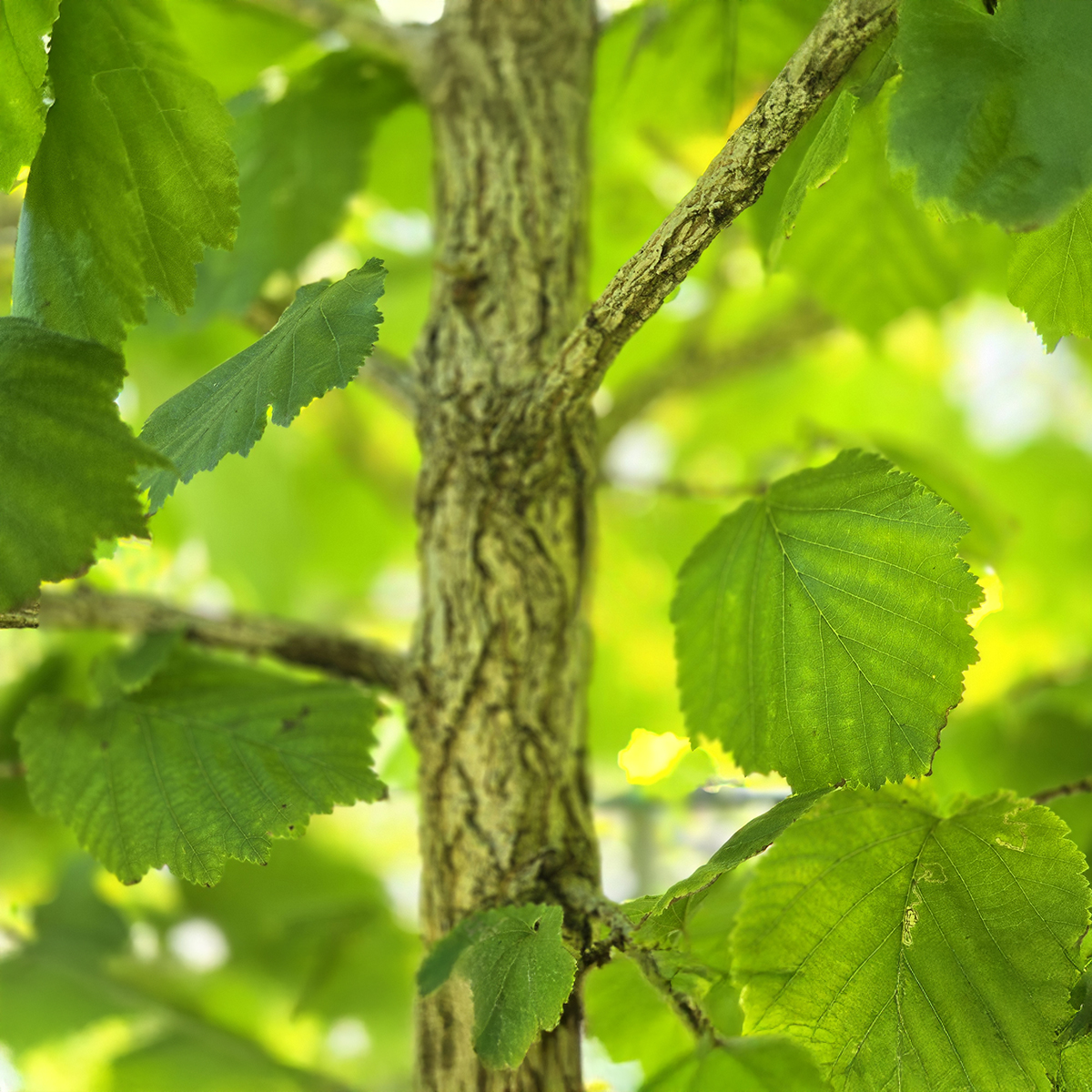
CORYLUS colurna – Turkish Hazel
Wind tolerant avenue tree with an upright symmetrical habit, featured cork like trunk and strong roots that resist steady gusts; firm, slightly lobed leaves and rigid branching reduce wind sail while Spring yellow catkins and later nut clusters add seasonal interest; grows to 8 x 4 metres. Salt tolerant.
PRUNUS Yedoensis – Yoshino Blossoming Cherry
Wind tolerant street and garden tree with a compact vase to spreading form and flexible stems that shed gusts; known for almond-scented white flowers in early Spring and Summer foliage that turns orange then true Autumn red, hardy for Southland, Central Otago and Canterbury. Grows to 5 x 4 metres.


PYRUS calleryana ‘Aristocrat’ - Ornamental Pear
Strong branching habit and pyramidal crown give this cultivar good structural resilience in urban windy sites. Fast-growing specimen to 6–8 metres, useful as a focal tree that also helps shelter lower planting.
ULMUS hollandica ‘Lobel’ - Upright Elm
Narrow, columnar form and strong wood make this elm a reliable street or avenue tree in wind-affected sites. Tolerant of salt wind and urban exposure, reaches around 15 x 8 metres and provides a tall wind filter for streets and parks and attractive avenue.


ZELKOVA serrata – Japanese Elm
Wind tolerant courtyard tree with a graceful spreading habit, strong branching and well‑spaced lance‑shaped leaves that reduce wind sail; flexible stems and a sturdy root system give resilience in exposed sites; Autumn foliage shifts from green to red, purple and orange; hardy Deciduous grows to 8 x 6 metres.
Evergreen
CORDYLINE australis – NZ Native Cabbage Tree
A naturally wind-resilient, architectural Evergreen that flexes rather than breaks in gusts. Excellent for coastal and breezy inland shelter belts or avenues and for adding vertical texture behind lower planting. Also known to be a great bank stabiliser with its deep, quick growing root system. Mature plants tolerate salt spray and poor soils, reach 4–8 metres depending on exposure.


GRISELINIA littoralis var. – NZ Native Broadleaf/Kapuka
Wind tolerant Evergreen for shelterbelts and hedges, Griselinia littoralis has shiny dark green leathery foliage and a dense, low‑sail habit that blocks and buffers prevailing gusts; its sturdy branches and deep roots give structural resilience in exposed sites while responding well to trimming, and it remains hardy and grows to 3 x 2 metres.
PSEUDOPANAX ferox – NZ Native Sabre-Toothed Lancewood
Architectural, downward-facing leaves reduce wind resistance and damage, making this cultivar well suited to exposed sites. Very tolerant of exposed coastal conditions when established, works well in native groupings or as an accent in wind-prone gardens. Slow to moderate growth to about 3 metres.


PODOCARPUS totara ‘Matapouri Blue’ – NZ Native Blue Totara
Wind tolerant Evergreen with a tidy formal habit, Matapouri Blue combines dense, low‑sail foliage and a strong trunk and deep root system that resist steady gusts, making it superb for formal effect, specimen plantings or hedging and reaching about 6 x 3 metres.
SOPHORA tetraptera – NZ Native Larger-Leaved Kowhai
Wind tolerant Native tree with an upright vase shape, sturdy trunk and flexible branches that shed gusts; open canopy and small leaflets reduce wind sail; large golden bell flowers in early Summer attract tūī and bellbird; semi‑deciduous in harsh Winters and grows to 5 x 3 metres.

Choose wind-tolerant species that suit your site, plant them in layered groups rather than singles and give young trees careful establishment care so roots and structure develop quickly. With the right mix of Evergreens and Deciduous specimens, regular formative pruning and mulching, and attention to salt and drainage, you’ll turn windy exposures into dynamic, sheltered garden rooms that require little maintenance and reward you with long‑lasting character and habitat.


Team Spotlight – Meet Tory
How Trees Help Reduce Flooding Effects
Five Cherry Trees for Stunning Spring Blossom
Archives
- October 2026
- September 2026
- August 2026
- July 2026
- June 2026
- May 2026
- April 2026
- March 2026
- February 2026
- January 2026
- December 2025
- November 2025
- October 2025
- September 2025
- August 2025
- July 2025
- June 2025
- May 2025
- April 2025
- March 2025
- February 2025
- January 2025
- December 2024
- November 2024
- October 2024
- September 2024
- August 2024
- July 2024
- June 2024
- May 2024
- April 2024
- March 2024
- February 2024
- January 2024
- December 2023
- November 2023
- October 2023
- September 2023
- August 2023
- July 2023
- June 2023
- May 2023
- April 2023
- March 2023
- February 2023
- January 2023
- December 2022
- November 2022
- October 2022
- September 2022
- August 2022
- July 2022
- June 2022
- May 2022
- April 2022
- March 2022
- February 2022
- January 2022
- December 2021
- November 2021
- October 2021
- September 2021
- August 2021
- July 2021
- April 2021
- March 2021
- February 2021
- January 2021